
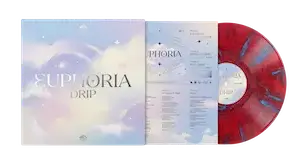

The fascination for the analogue "black gold" remains unbroken. When bands and artists today have their own vinyl record pressed, it's about much more than just music – it's a haptic and visual experience for the fans. However, anyone who wants to have vinyl pressed often faces many technical questions: Which format is the right one? How does the lacquer cut work? We explain how the process works and what is important.
The Formats: From 12" LP to 10" and 7" Single
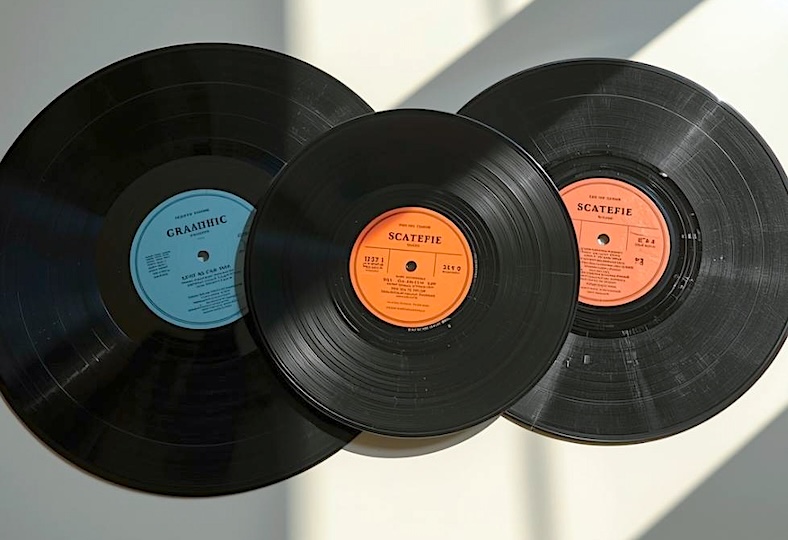
The format is the first decision when you want to press a vinyl record. The classic 12 Inch LP (Long Play) runs at 33 ⅓ RPM and offers about 20 to 22 minutes of optimal sound quality per side. If, on the other hand, you only want to release one or two tracks, you should press a 10 inch or 7 inch vinyl. These singles typically run at 45 RPM and hold about 4 to 5 minutes per side. Anyone who wants to press their own lp therefore usually chooses the 12" format.
Print runs: From short runs to bestsellers
Thanks to modern production processes, you no longer have to be a major label to bring your music out on vinyl. Whether you are planning a small vinyl record pressing run of 100 copies or a large order for a European tour – the staggered vinyl pressing prices make both possible. Even if you only need to press 50 vinyls or press 100 vinyls, there are economical ways to realize your dream of a physical release.
Unique items and dubplates: Pressing a single vinyl
Many DJs or private individuals are looking for ways to press just a single record, often as a special gift or for a DJ set. However, a classic pressing plant does not produce single pieces through a pressing process, as matrix production is extremely expensive. Instead, the "vinyl dubplate" process (also called vinyl cut) is used here. So if you want a real single vinyl piece pressed or 1 record pressed, the music is cut directly into a blank with a diamond or sapphire stylus.
The Audio Cut: Lacquer Cut vs. DMM
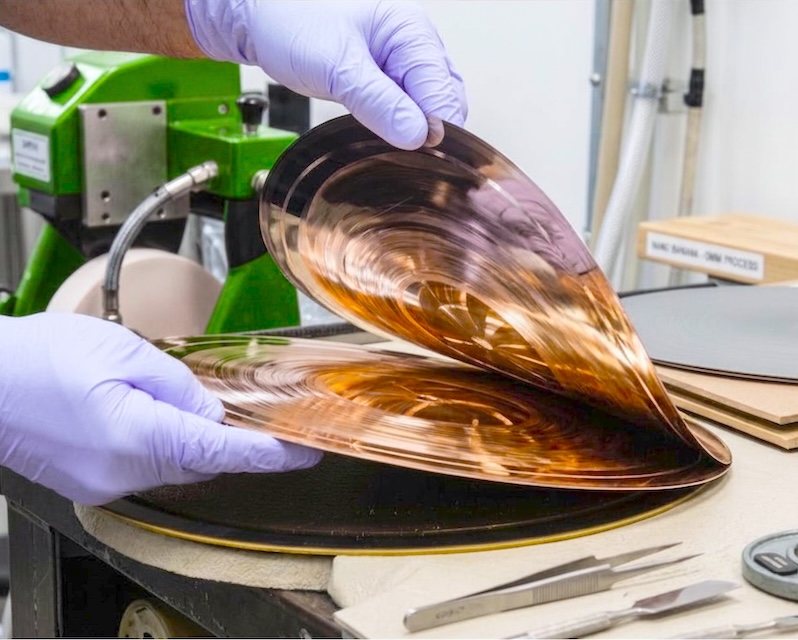
When we have vinyl records produced, the physical process begins in the cutting studio. There are two main processes: the Lacquer Cut and Direct Metal Mastering (DMM). With the Lacquer Cut, the audio signal is carved into a soft lacquer foil, which is often perceived as warmer and more bass-heavy – ideal if you want to press bass-heavy or electronic music on vinyl. The DMM process cuts directly into a copper disc, which enables less groove noise and a more precise treble reproduction.
Electroplating: From foil to stamper
After cutting, the foil goes into electroplating. Here, a negative impression of the foil is created through a chemical bath in an electrolysis process: the so-called "father". From this, the "mother" is pulled, from which the actual pressing matrices (the stampers) are created. This multi-stage process is the reason why setup costs apply when you want to have a vinyl lp pressed. The higher the print run, the better these initial record pressing costs are distributed.
The pressing process in the vinyl pressing plant
In the actual pressing process, the PVC (polyvinyl chloride) granulate is heated into a so-called "puck". This puck is placed in the pressing machine together with the paper labels. Under enormous pressure and heat, the matrices press the grooves into the soft material. After a short cooling process with water, the protruding edges are cut off. When you want to have a record pressed, your finished vinyl record is created from a black lump in about 25 seconds.
Colors and Weights: 140g vs. 180g
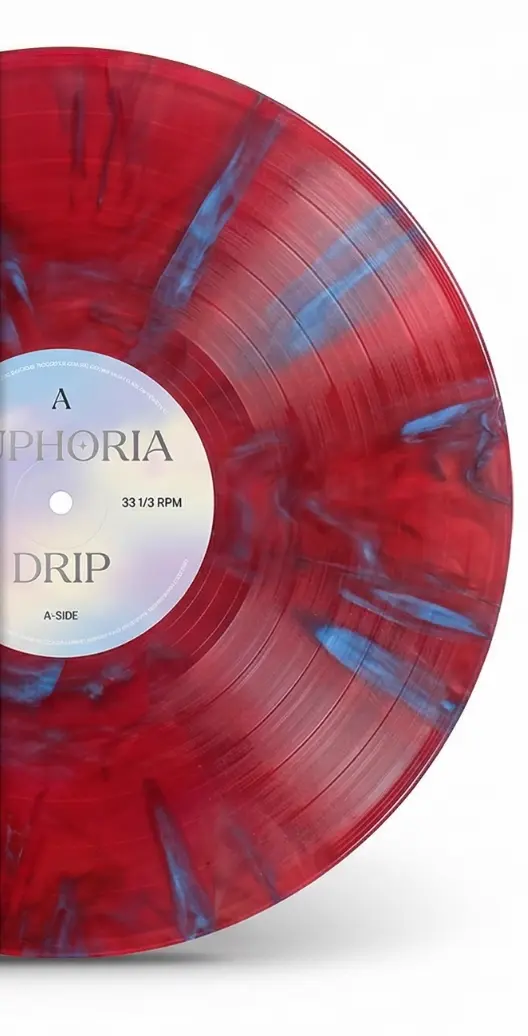
By default, a 12" LP weighs around 140 grams. However, many audiophiles swear by 180g heavyweight vinyl. It is more robust, sits more firmly on the turntable, and provides a higher-quality feel when fans have your own record pressed. In addition to classic black, you can also have colored vinyl produced. Whether transparent blue, opaque red, or wild splatter patterns – colored vinyl makes your release a coveted collector's item.
The Packaging: Covers and Gatefolds
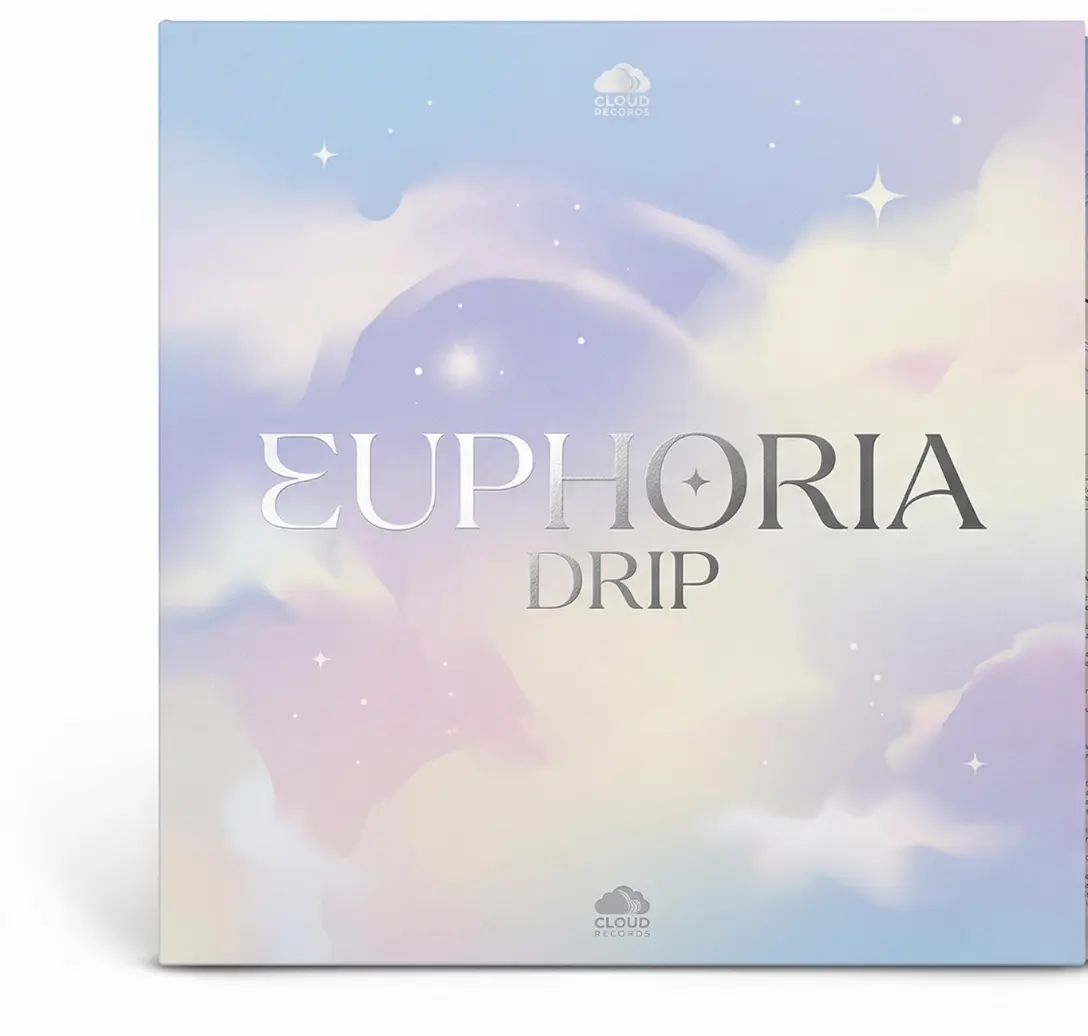
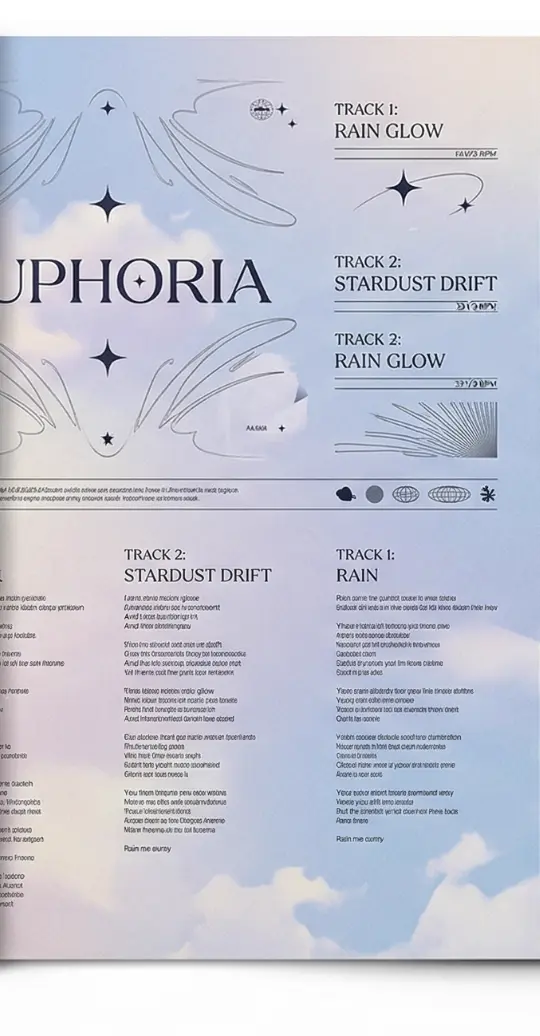
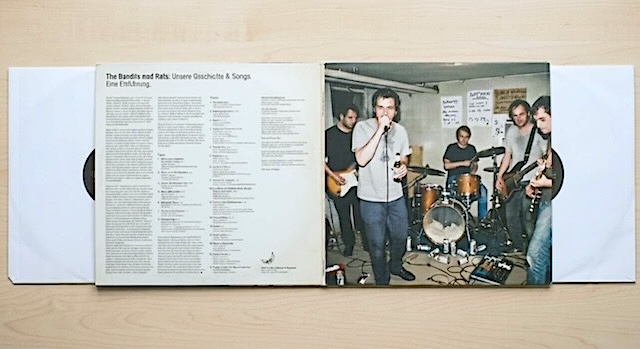
The sleeve is the canvas of your music. The standard packaging is the spine sleeve with an approx. 3mm thick spine on which the title and artist are printed. A massive upgrade is the gatefold cover (fold-out cover). It offers double the area for artwork and text and gives the product weight. Whether matte, glossy, inside-out print, or elegant hot foil stamping – if you want to have vinyl records pressed, the cover is crucial for the first impression.
Inserts, Booklets and Inner Sleeves
The record itself rests in an inner sleeve. By default, this is white and made of paper, ideally lined with antistatic foil (polylined). Alternatively, the inner sleeve can be printed in 4 colors, saving space for lyrics. Additionally, when having vinyl records pressed, you can add inserts or multi-page booklets. This way you create a product that fans can study for hours while listening.
Calculating costs: How much does a vinyl pressing cost?
How are the vinyl pressing costs made up? The price depends heavily on the quantity, the audio cut, the cover type, and extras. Since the setup effort for electroplating and the machine is fixed, the unit price drops drastically with higher print runs. If you want to press vinyl cheaply, you are best off with a run of 300 to 500 copies and standard specifications. Use our calculator above to transparently calculate your lp pressing prices.
Conclusion: Your music for eternity
In a world full of streaming and MP3s, a vinyl record is a statement. Whether you want to press mp3 on vinyl (we recommend high-resolution WAV files!) or deliver analog mastered tapes – anyone who takes the step and physically releases their own album creates a work of art for eternity. It requires a little planning if you want to press your own vinyl, but the feeling of putting the first test pressing on your own turntable is priceless for any musician.